Pokémon Cards & Gambling: What I've Learned Since

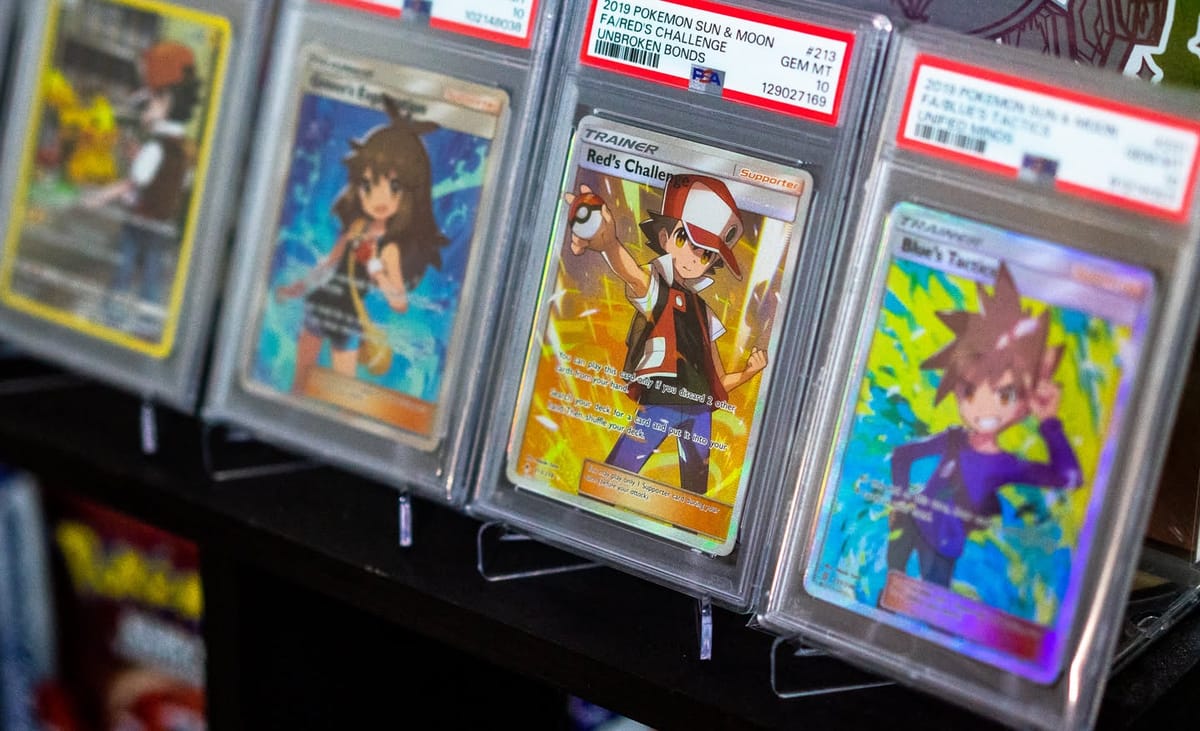
A while ago, I wrote about Pokémon cards and gambling from the perspective of a recovering gambling addict. Since then, I've learned a lot more about myself and how I want to collect.
Before I get into it, I want to make one thing clear: this is just my personal journey. I'm not telling you how you should collect Pokémon cards, and I don't think there's a single "right" way to enjoy this hobby. Collect whatever makes you happy, whether that's ripping packs, collecting sealed product, building binders, chasing grails or buying singles.
For me, though, I've had to put some boundaries around the hobby because of my history with gambling. These are the rules and habits that have worked for me and helped me enjoy Pokémon in a healthier and more intentional way.
So please, collect responsibly and collect what makes you happy.
I'm still free from gambling
Let's start with the most important part.
I'm still free from gambling.
That hasn't changed.
Recovery doesn't mean temptation disappears. For me, it means recognising the behaviours and thought patterns that can lead me back there.
I've realised that Pokémon cards themselves aren't necessarily the problem.
It's the chase.
There's a big difference between buying a card because I genuinely want to own it and buying something because I'm hoping it will give me the feeling of getting a big win.
I've become much better at recognising that difference.
Buy your chase
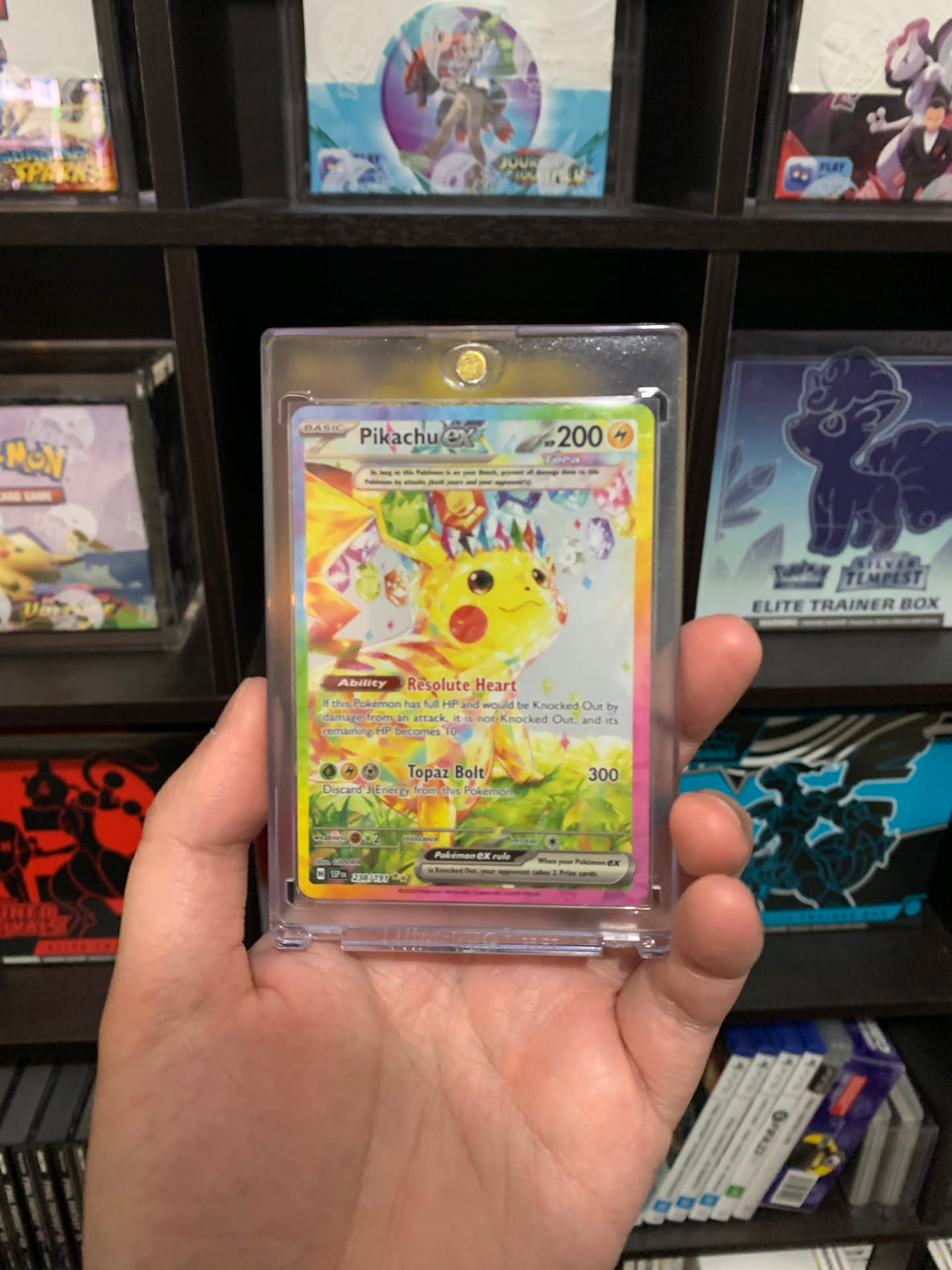
These days, if there's a card I really want, I just buy the card.
It sounds obvious, but it's something I've had to learn.
If my chase costs $500, I'd much rather save $500 and buy that exact card than spend $500 opening packs hoping I eventually pull it.
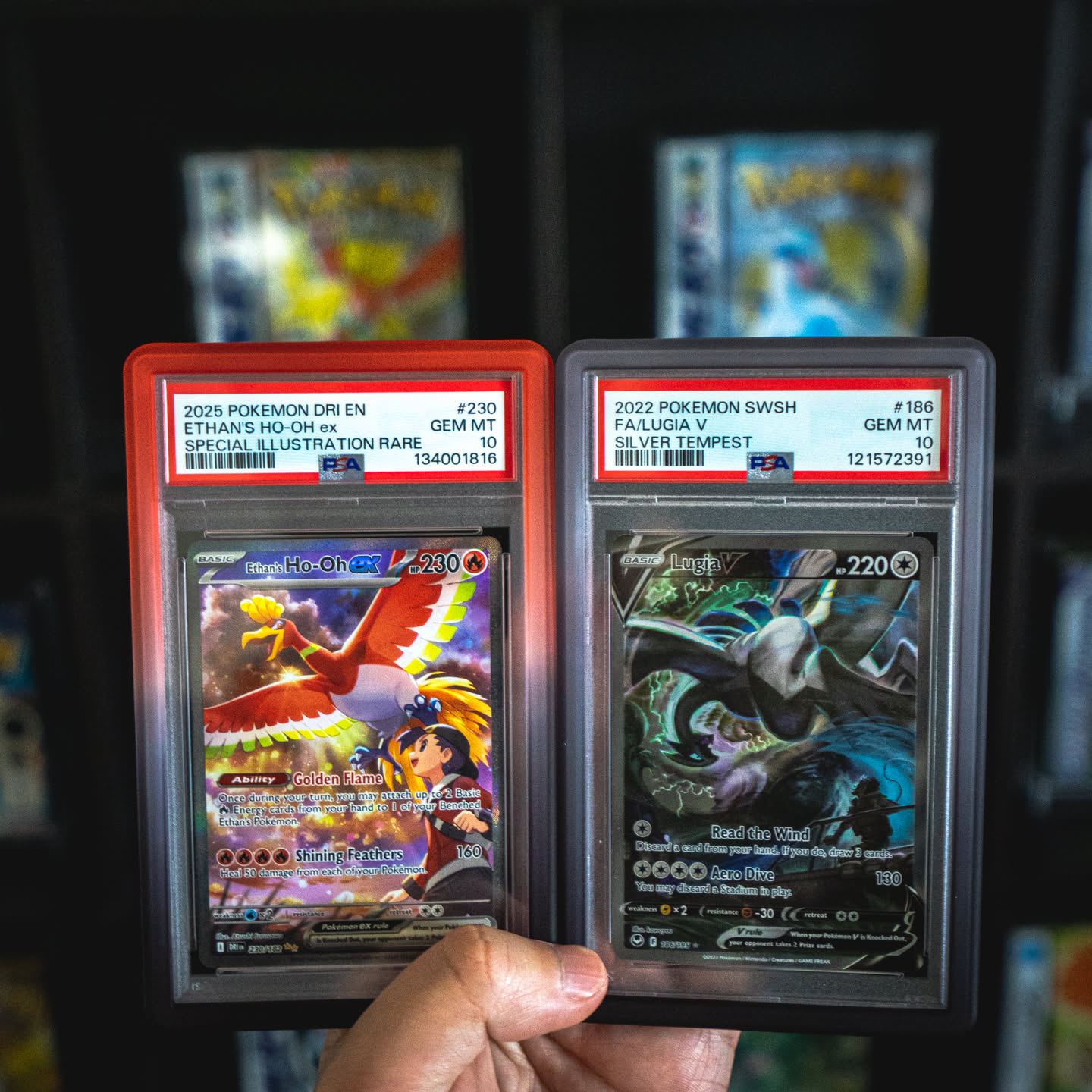
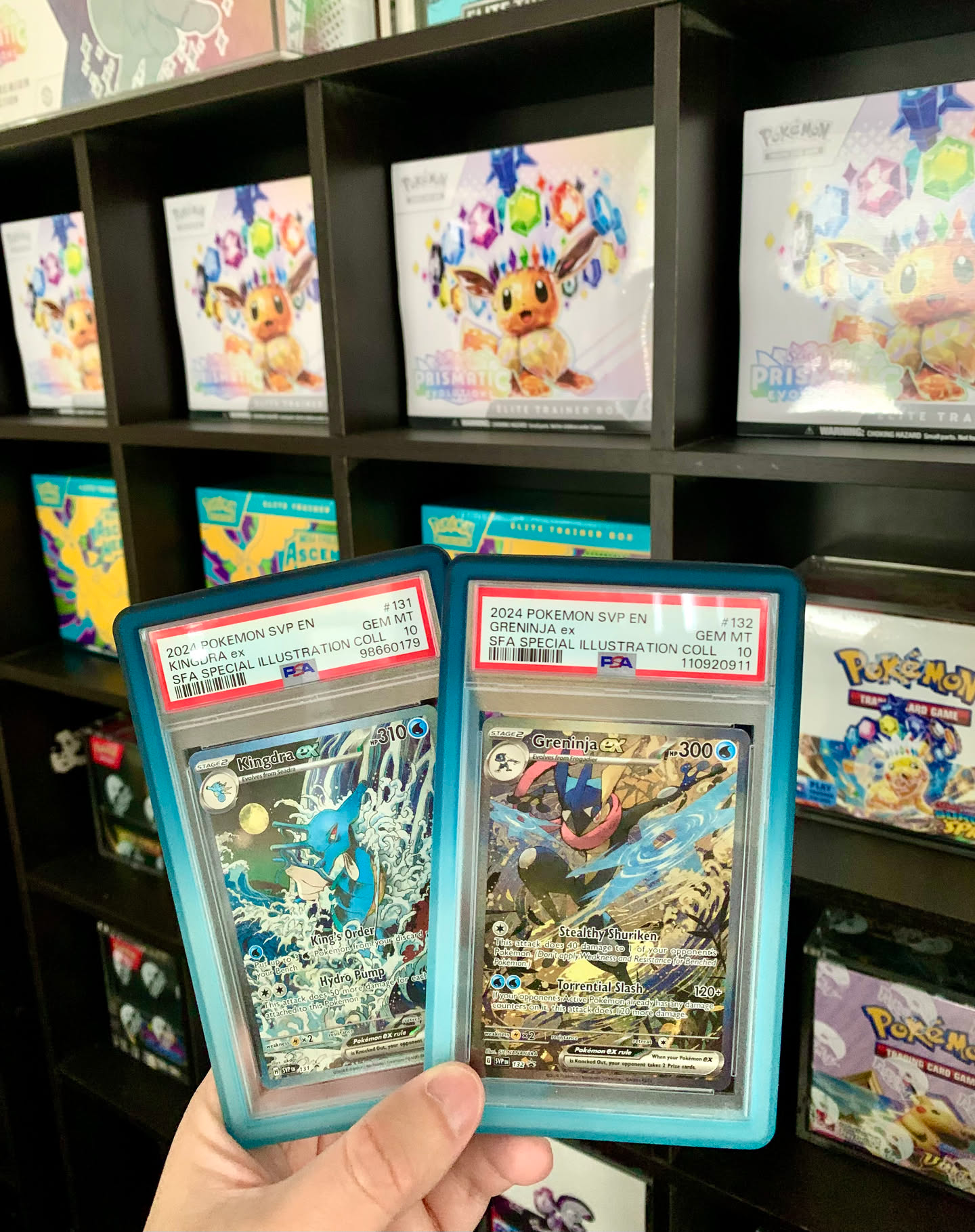
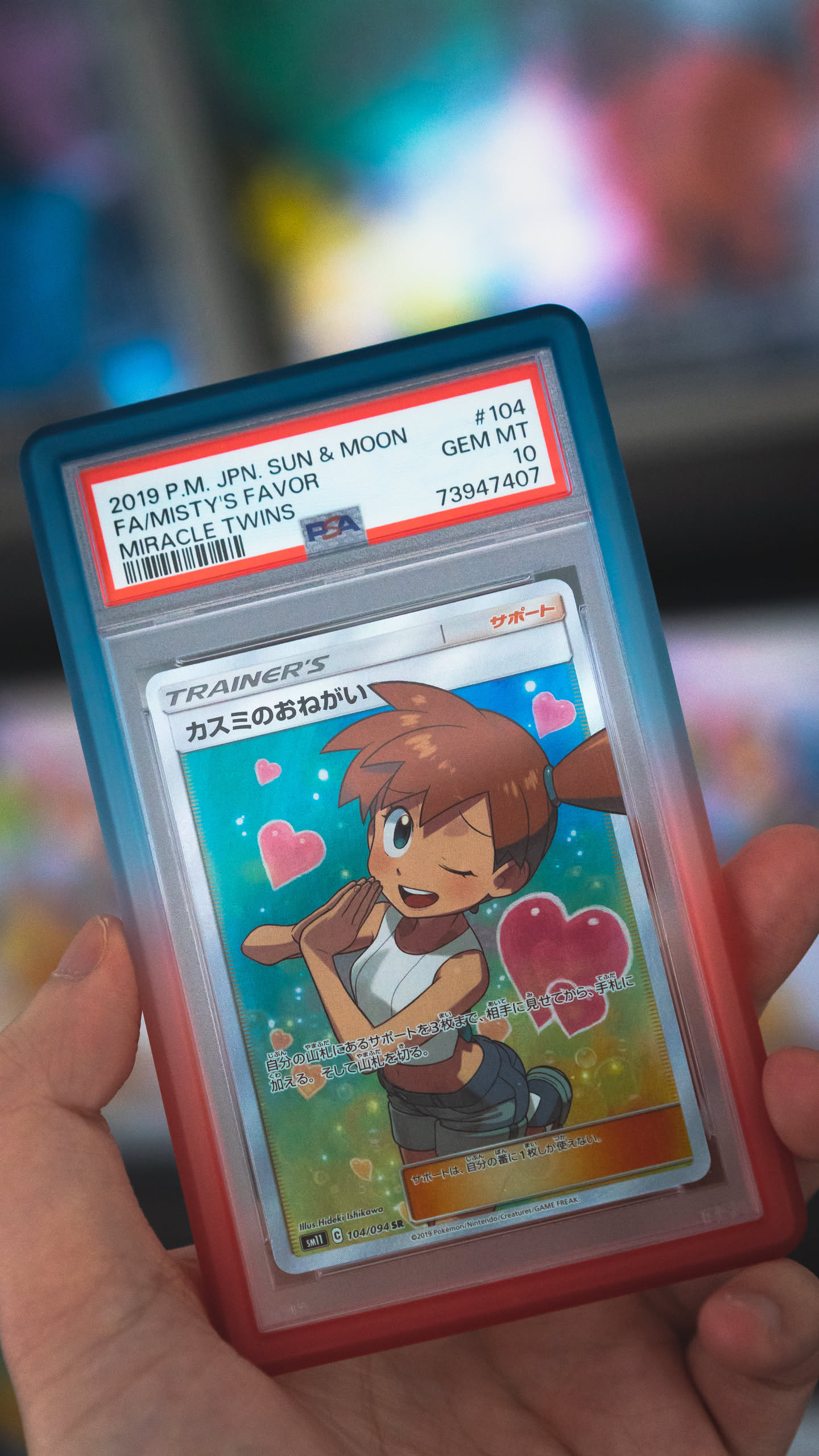
I've also become much stricter about what actually makes it into my collection. For modern cards, I've basically adopted a PSA 10 or bust mentality. That means I'm not just looking for the card — I'm looking for the right copy of the card.
With a PSA 10, I know exactly what I'm getting. I know the condition, I know the price and, most importantly, I know I actually want it.
Compare that to opening packs. I could spend hundreds of dollars chasing the card, finally pull it, and then be left wondering whether it's good enough to grade, whether it'll get a 10, or whether I'll end up selling it anyway.
I'd rather skip all of that.
Save the money. Buy the card I actually want. Put it straight into the collection.
There's no uncertainty and no need to keep spending because I haven't hit it yet.
It's not a lucky win.
It's a deliberate purchase.
What happens if I actually pull the chase?
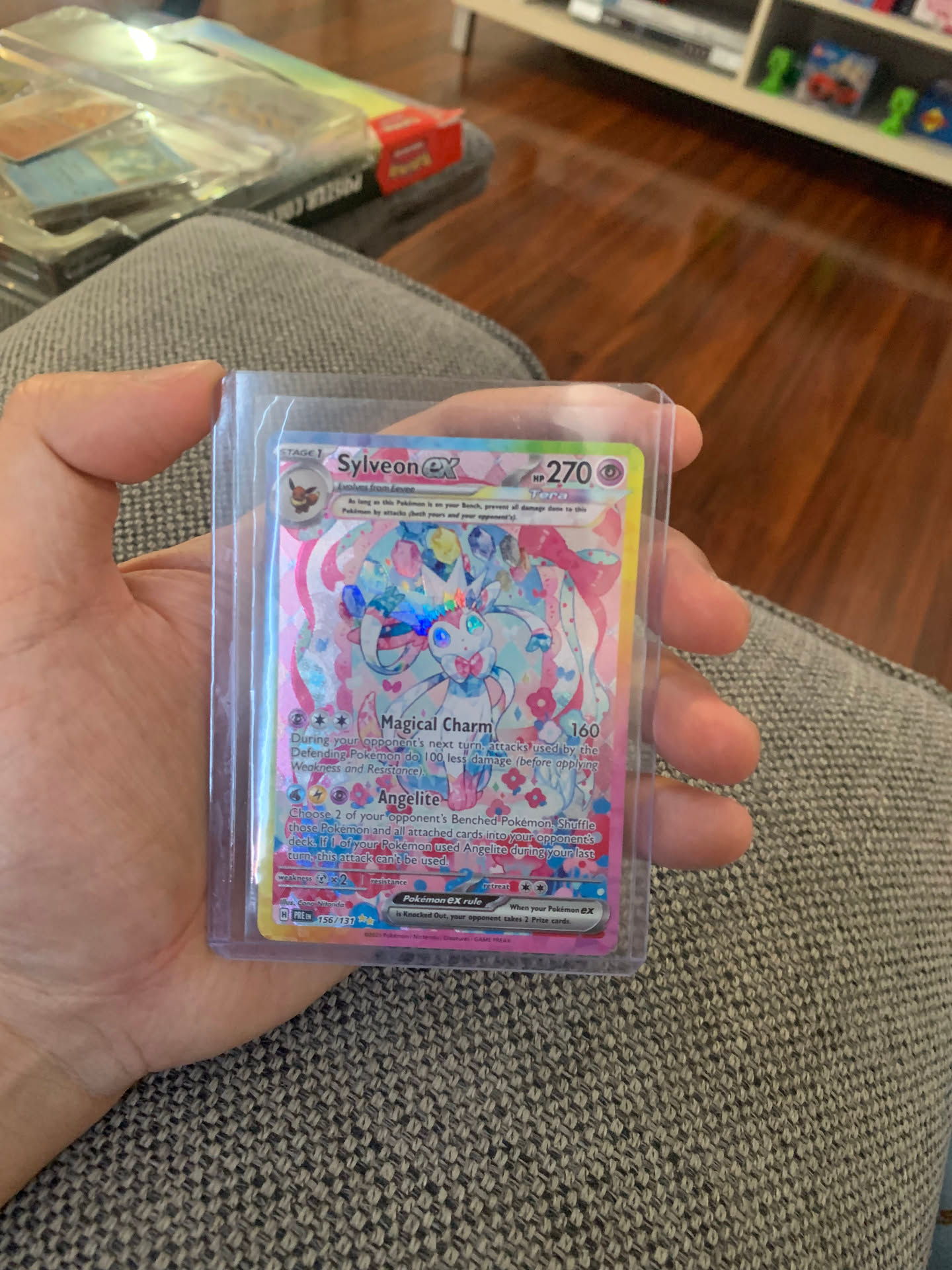
This is another thing that has made ripping packs much less appealing to me.
Let's say I ignore everything I've just said. I buy the packs, get incredibly lucky and actually pull the chase.
Now what?
Because I've adopted the PSA 10 or bust mentality, I'm immediately looking at the centering, whitening, print lines and overall condition.
Should I grade it?
And then comes the question:
What if it comes back a PSA 8 or 9?
Do I keep it? Do I sell it? Do I try again?
And if I don't intend to keep it unless it gets the grade I want, am I eventually just going to sell it to recover some of the money I spent opening the packs?
That's when it really clicked for me.
Even pulling the chase isn't necessarily the outcome I want.
I don't want a random raw copy of the card.
I want the card I love, in the condition I want, in my collection.
I can just buy that directly.
That mindset alone has stopped me from ripping a lot of packs.
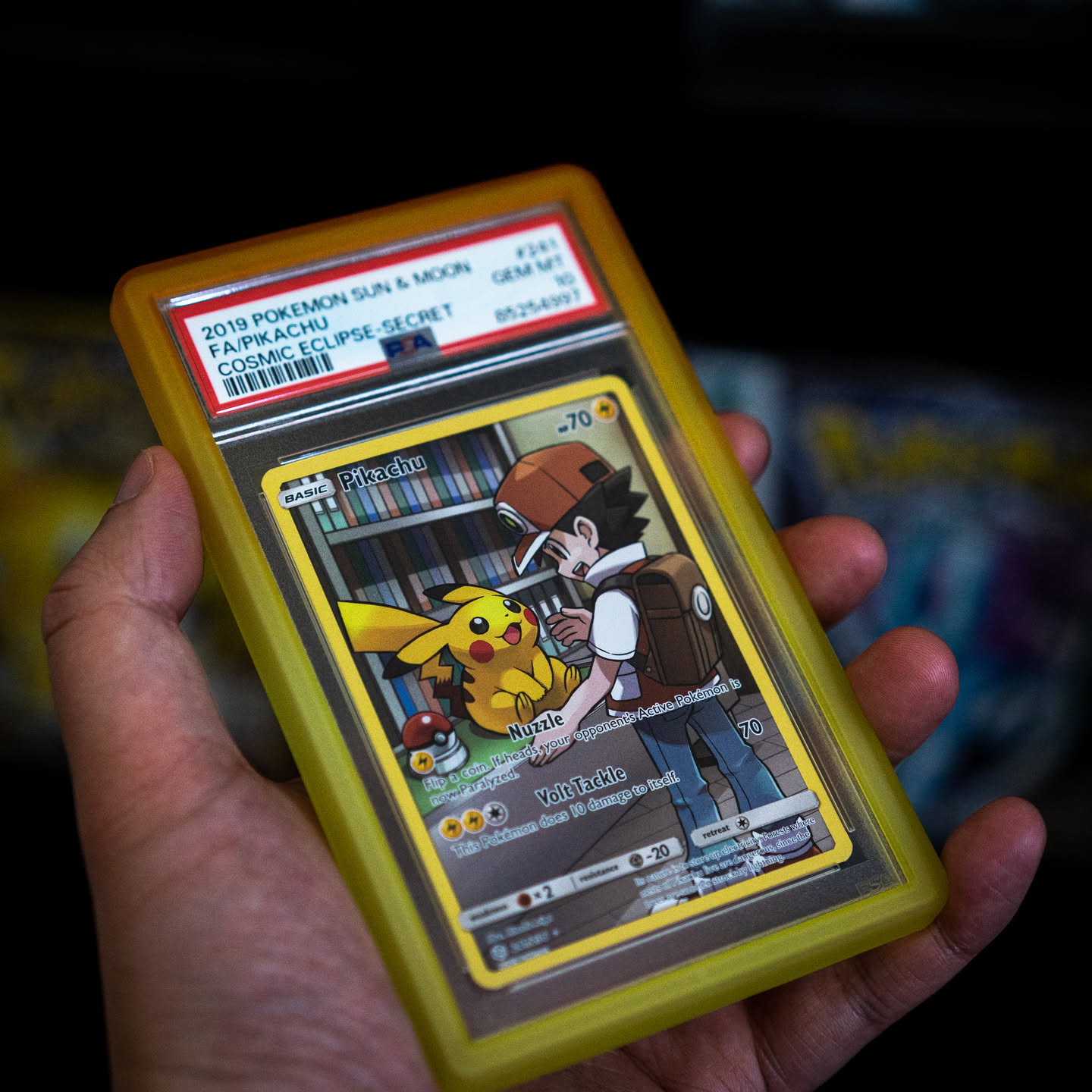
I buy cards I actually like
I've also become much better at ignoring the noise around the Pokémon market.
A card starts going up. Someone calls it undervalued. An influencer talks about it. Everyone starts buying it.
Suddenly I'm looking at a card I've never really cared about and thinking, "Maybe I should buy one."
Now I ask myself a much simpler question:
Do I actually like this card?
If the answer is no, I don't care how expensive it becomes.
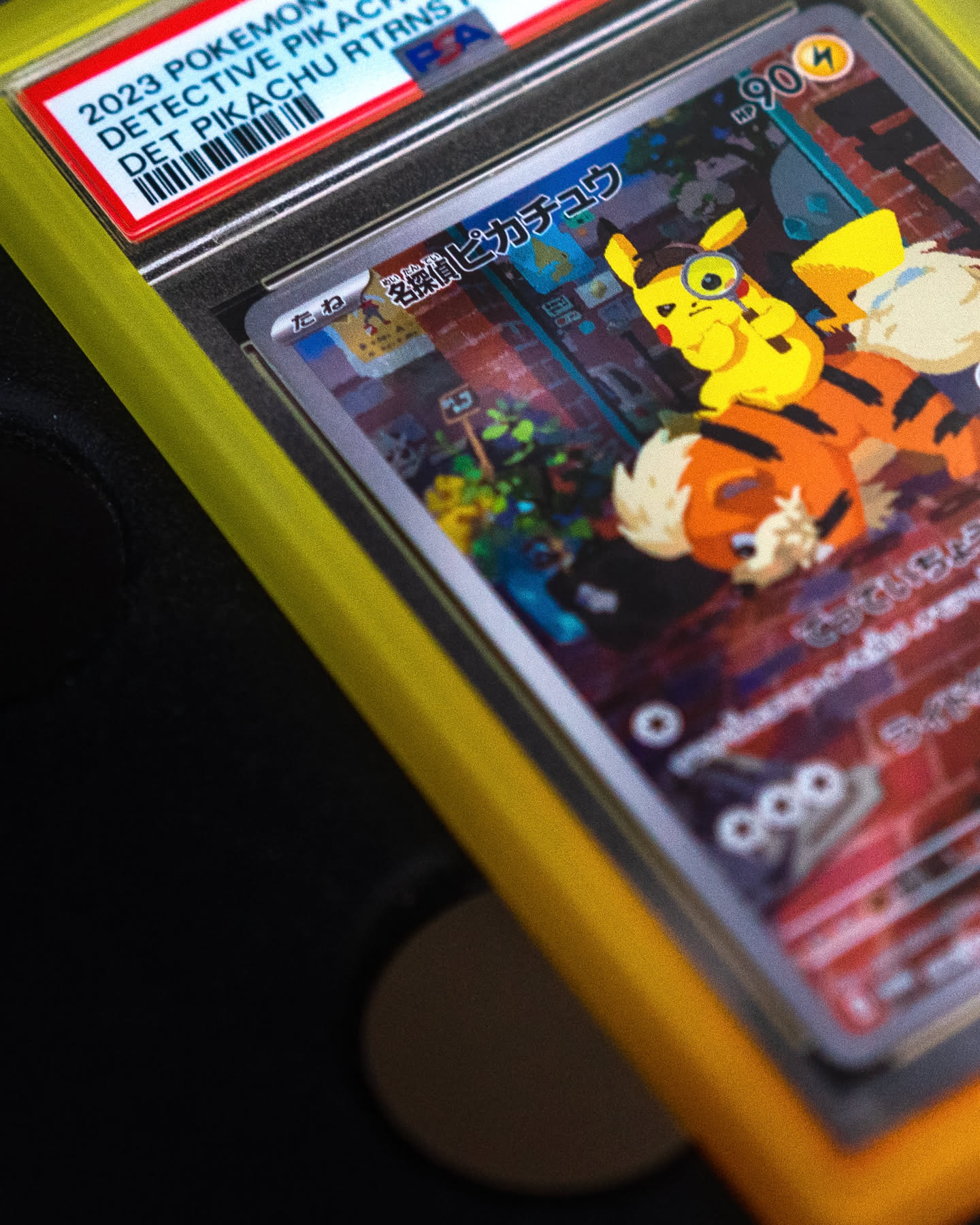
I want cards I genuinely connect with — Pokémon I love, artwork I enjoy, characters I have nostalgia for, or cards that simply make me happy when I look at them.
I'd rather have ten cards I absolutely love than a hundred cards the market told me I should own.
The price going up is nice, but it isn't why I bought it.
Packs are entertainment
I've become much more comfortable admitting that opening packs is gambling-like behaviour for me.
That doesn't mean everyone who opens Pokémon packs has a gambling problem. Most people don't.
But I have a history with gambling. I know what it feels like to chase an unknown outcome and think "maybe the next one will be the big one."
So if I open packs, I treat them as entertainment.
If I'm with friends or family and we decide to open some packs together, that's completely fine. It's fun. We're spending time together, having a laugh and seeing what we pull.
But I'm treating the money as the cost of the experience.
If we spend $50 and get $5 worth of cards, that's okay. I didn't "lose" $45. I spent $50 on an experience.
The problem is when I start feeling like the cards need to make the money worth it, or when a bad opening makes me want to buy another box because surely I'm "due."
That's the behaviour I have to avoid.
A recent wake-up call
Recently, a friend and I opened a bunch of Pokémon packs together. We were having a few drinks, opening packs, laughing at the terrible pulls and getting excited whenever something looked promising. It was genuinely a fun night.
By the end, though, we hadn't pulled anything we really wanted. Just a huge pile of bulk. I looked at it afterwards and realised I didn't even want most of it. I genuinely had the thought, "I could just throw all of this in the bin."
That thought really stopped me. Why had I just spent money opening all these packs if I didn't even want the cards sitting in front of me?
The funny thing is, the cards weren't what made the night fun. We were drinking, hanging out, laughing at the bad pulls and enjoying the experience. And that's exactly how pack opening should be for me — entertainment.
If we pull something amazing, awesome. If we pull absolute garbage, we laugh about it and move on. There's no need to chase the next pack because we didn't get what we wanted.
It reminded me that sometimes the thrill isn't actually the card — it's the possibility of what might be inside. And that uncertainty is exactly what made gambling so appealing to me.
It was a small moment, but honestly, it was a pretty big wake-up call.
Quality over quantity
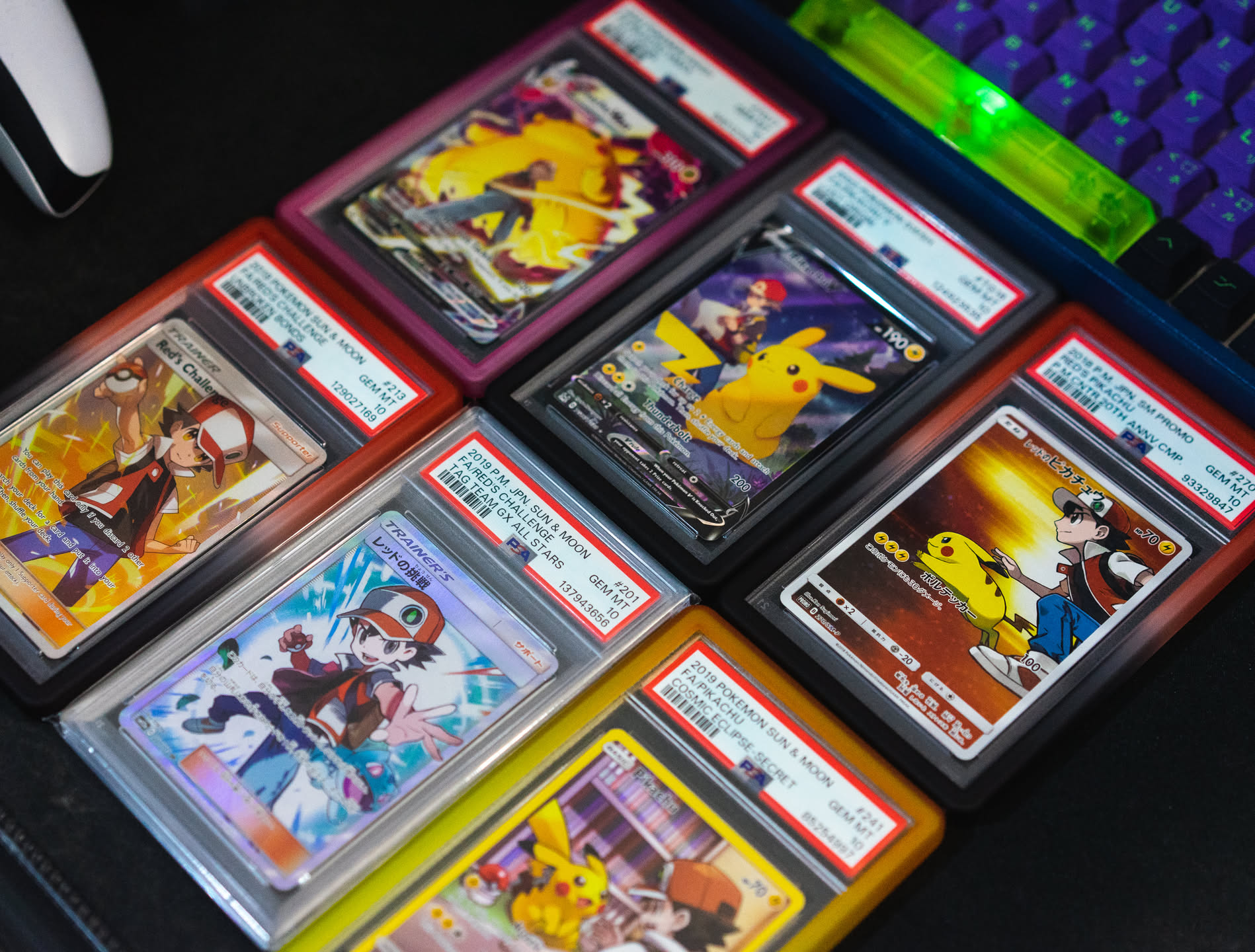
I've also stopped caring about having a huge collection.
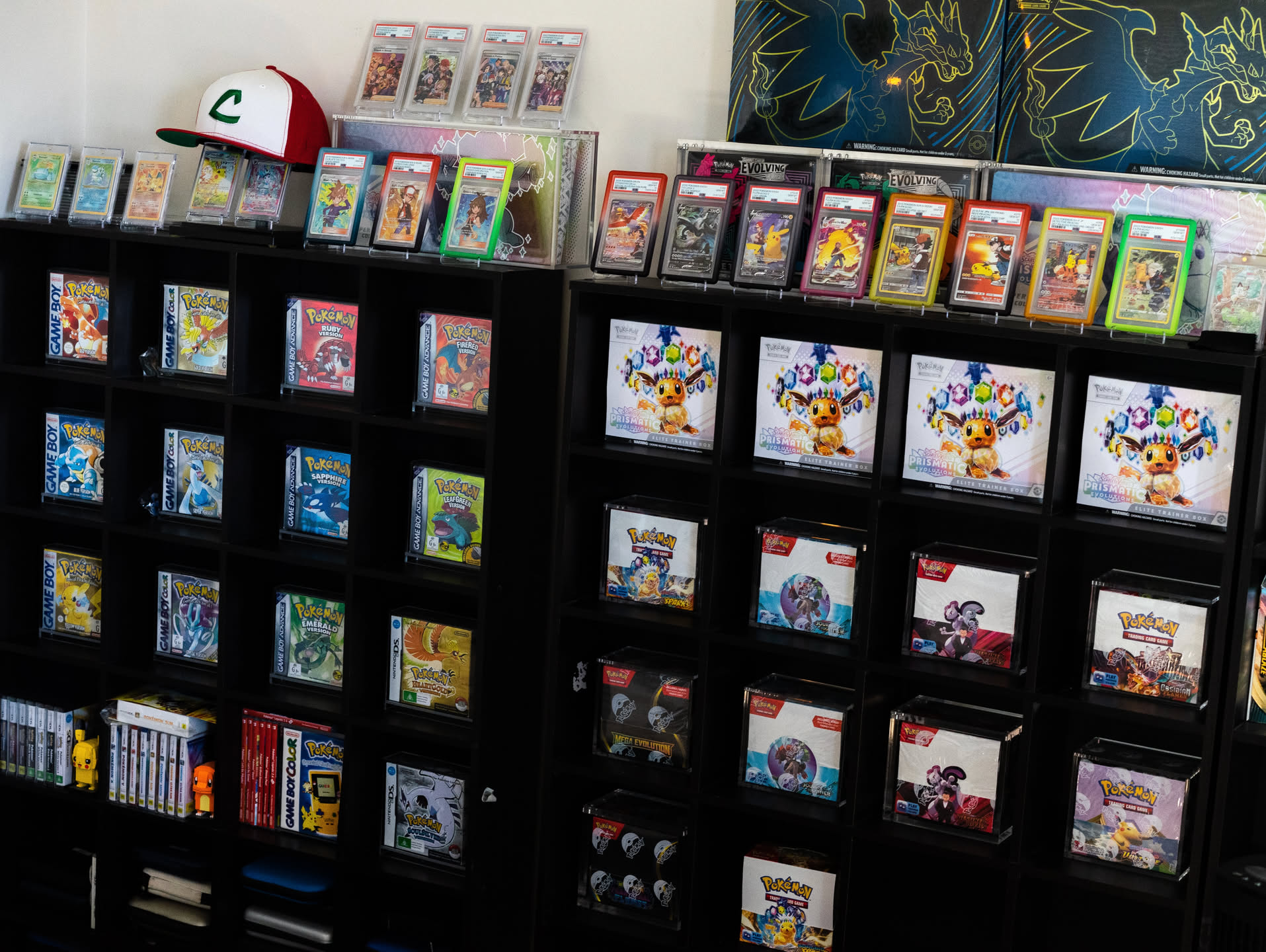
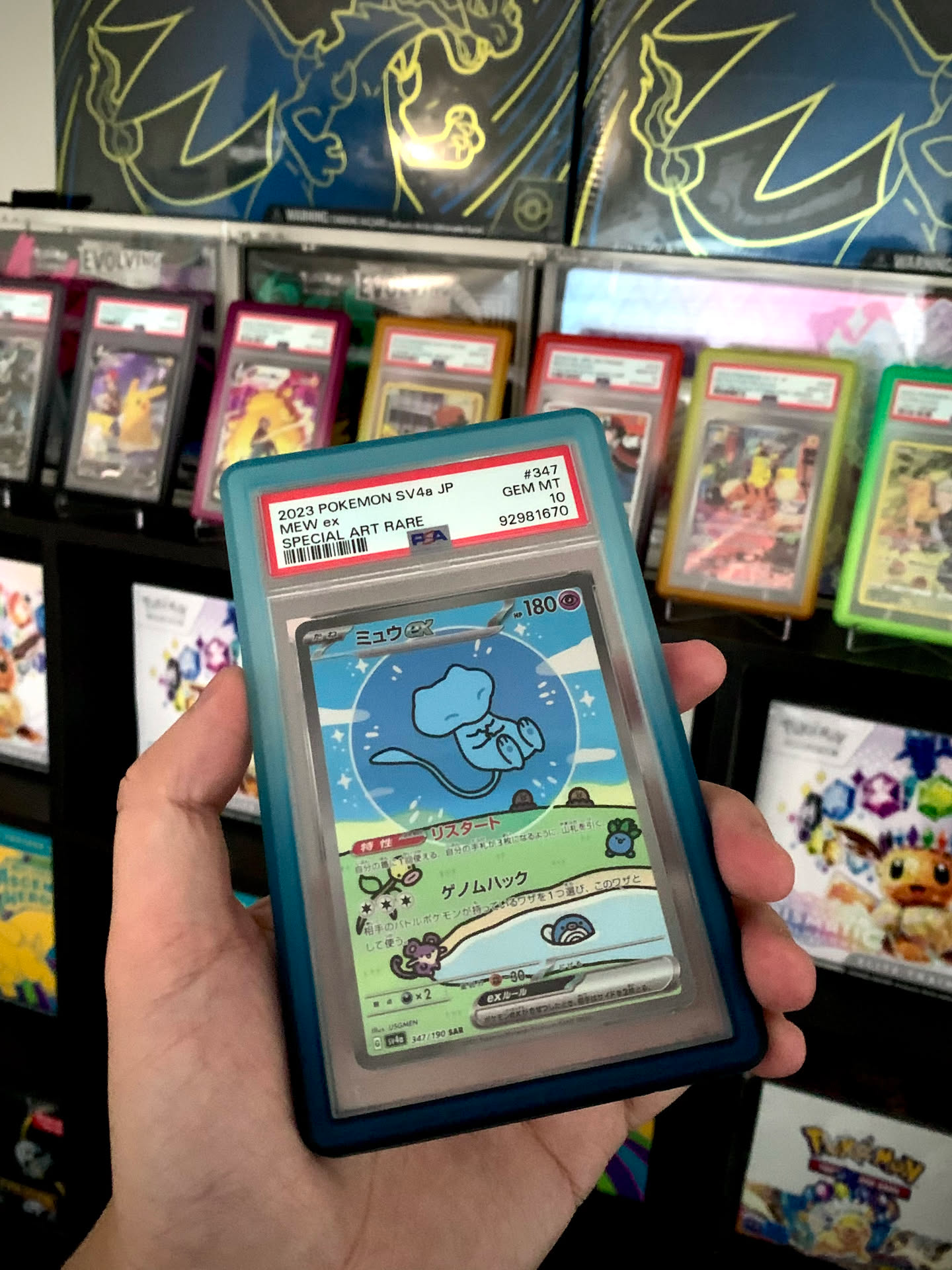
I'd rather have five really nice slabs that I absolutely love than ten or fifteen mediocre ones that I bought just for the sake of having more.
That mindset has also changed the way I buy sealed product. I'm much less interested in chasing every random product Pokémon releases. For main sets, I stick to booster boxes. For special sets, I'll generally stick to ETBs, bundles and the bigger premium products like SPCs and UPCs.
I don't need every collection box, tin, blister or random special product just because it exists.
The same goes for singles. I don't want filler, and I don't want to buy something simply because it's cheap. I'd rather wait for the right card than buy something today and tell myself I'll upgrade it later.
There will always be another set, another chase card and another "must-have." I don't need everything.
I'm much more interested in having a collection where almost everything means something to me.
I'd rather have a smaller collection I'm proud of than a massive collection full of things I don't really care about.
The goal isn't to accumulate. It's to curate.
The funny thing is, my collection grew faster
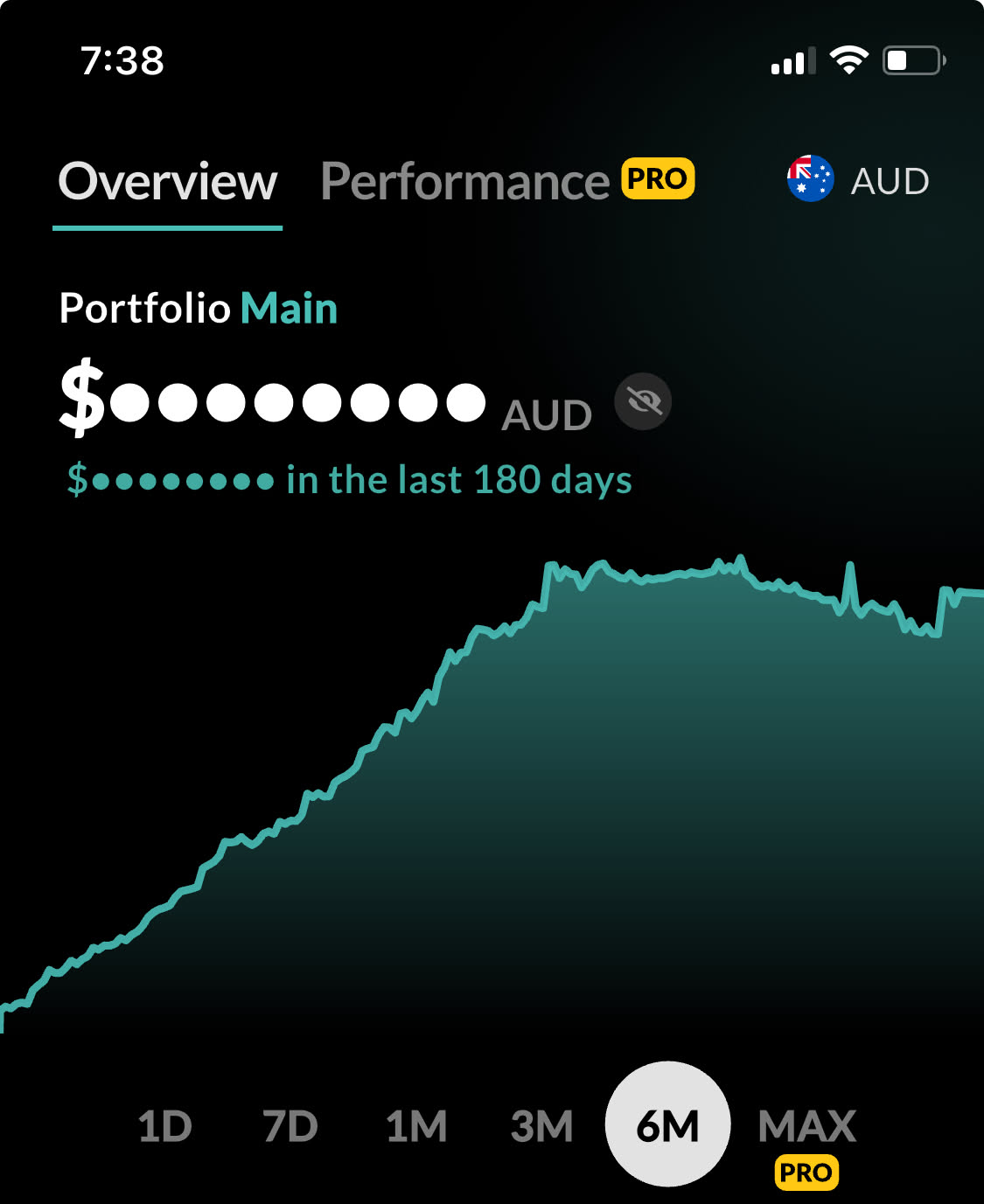
One of the more interesting things I've noticed is what happened to the value of my collection after changing my approach.
When I was collecting more broadly, my Pokémon portfolio was around $6,000, and it was growing by roughly $2,000–$3,000 every six months or so.
Since adopting this more disciplined approach, my Collectr profile has shown a much bigger increase.
I wasn't expecting that.
I originally thought being more selective would mean my collection would grow more slowly.
Instead, buying fewer cards I genuinely want, while being much stricter about quality, has resulted in a collection that has appreciated significantly.
I'm not saying these rules are some secret Pokémon investment strategy. The market moves for all sorts of reasons, and past performance doesn't guarantee anything.
But it has taught me something.
I don't need to constantly buy things for my collection to grow.
Sometimes buying less and buying better is enough.
And more importantly, I'm happier with what I own.
FOMO doesn't mean I have to buy
I still get FOMO. A new set gets announced, or a card starts climbing in price, and I wonder if I should buy it. But I've learned that wanting something doesn't mean I need to own it immediately.
I can wait, let the hype die down and decide whether I actually want the card. There will always be another Pokémon card.
Where I'm at now
As I've mentioned throughout this post, this is why I collect the way I do. The rules I've put around Pokémon aren't about telling other people how they should collect — they're boundaries I've had to set for myself.
I know my history, and I know what can happen if I start slipping back into those old behaviours. If I don't have these boundaries, I'm putting myself at risk of relapsing and gambling again.
So for me, buying the cards I actually want, sticking to my PSA 10 rule, avoiding the chase and treating packs as entertainment aren't just collecting preferences. They're part of how I protect myself.
I still love Pokémon. I still get excited when a new card comes out, and I still get that little dopamine hit when a package arrives.
The difference is that I don't need to chase those feelings anymore.
I'm not trying to catch them all.
If you found this article because you’re worried about your own relationship with Pokémon cards, I hope you know you’re not alone. I’m not a professional and I can only speak from my own experience, but recognising that something isn't feeling healthy is already worth paying attention to. For me, the answer wasn't giving up Pokémon entirely. It was learning what behaviours I needed to avoid and putting boundaries in place that protect my recovery.
If you need immediate help, call the gambling helpline on 1800 858 858 or visit Gambling Help Online.